Mobile Truck Repair Checklist: What to Expect When a Roadside Mechanic Arrives
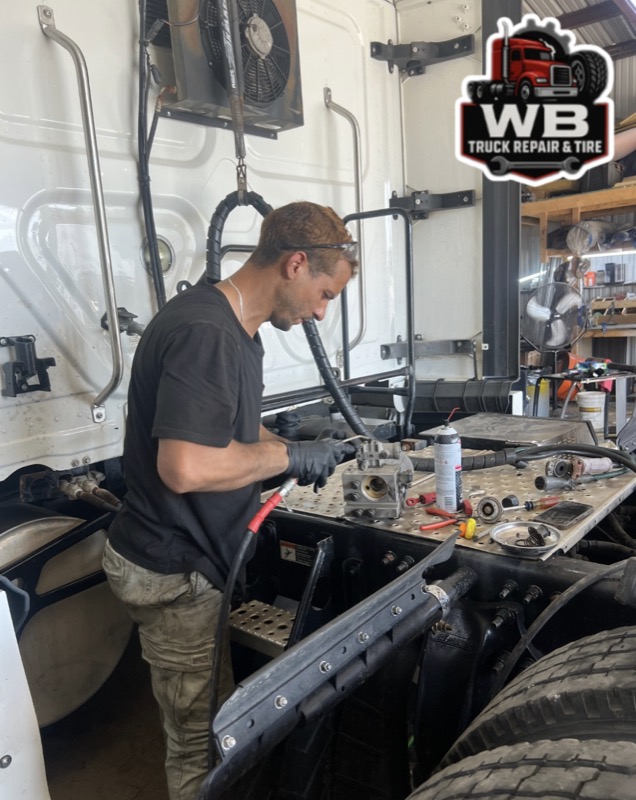
Breakdowns rarely happen in convenient locations. Whether you are stopped on I-30 outside Caddo Mills or navigating a customer yard in Dallas, mobile truck repair keeps your load on schedule without the cost of towing. This checklist explains how to prepare for a roadside service call, what professional diesel mechanics inspect on arrival, and the fastest way to get rolling again.
1. Know When to Call Mobile Truck Repair
Timely roadside support can prevent safety issues and secondary damage. Request help immediately when you cannot safely operate due to any of the following:
- Electrical failures like no-start conditions, dead batteries, alternator faults, or lighting issues
- Cooling system trouble including broken belts, burst hoses, or low coolant warnings
- Air brake problems such as governor failures, low air alarms, or frozen valves
- Fuel system contamination, DEF dosing problems, or clogged filters
- Trailer malfunctions including lift gate issues, reefer alarms, and door damage
- Tire blowouts, rapid leaks, or mismatched duals that make the truck unsafe to move
2. Pre-Arrival Checklist for Fleet Managers and Drivers
Sharing accurate information shortens diagnosis time. Gather the following before calling WB Truck Repair & Tire:
| Information Needed | Why It Matters |
|---|---|
| Exact location (GPS pin, exit number, customer facility) | Helps dispatch confirm safe access points and staging areas |
| Unit and trailer numbers plus VIN | Ensures technicians bring compatible replacement parts |
| Load details & special handling notes | Determines whether reefer temps or hazmat precautions are involved |
| Symptoms, warning lights, photos, diagnostic codes | Allows pre-arrival triage and better ETA estimates |
| Authorization limits and billing contact | Prevents delays waiting for approvals once repairs begin |
3. What the Technician Does On Arrival
A structured workflow keeps the repair safe and efficient. Expect your mobile diesel mechanic to follow these steps:
- Scene safety check: Verify wheel chocks, lock-out/tag-out needs, and ensure traffic control.
- Interview the driver: Confirm failure timeline, dashboard messages, and recent maintenance history.
- System scans: Plug in diagnostic tools to read ECM fault codes and review live data.
- Hands-on testing: Perform voltage drop tests, pressure checks, or leak-down tests depending on the issue.
- On-the-spot repair: Replace failed components, patch tires, repair airlines, or make wiring repairs.
- Operational verification: Road test or run the equipment under load before sign-off.
4. Common Emergency Repairs We Complete Roadside
WB Truck Repair & Tire service trucks are stocked for 90% of calls we receive along IH-30, US-69, and neighboring industrial parks. Typical on-site fixes include:
- Battery replacements, alternator swaps, and starter motor installs
- Aftertreatment resets, forced regens, and DEF doser replacements
- Coolant and heater hose replacements plus cooling fan clutches
- Wheel seal replacements, brake chamber swaps, and air line repairs
- Tire changes for 19.5" to 24.5" sizes plus trailer recap replacements
- Lift gate hydraulic hose repairs, control box replacements, and safety switch calibration
Average Downtime Saved
3-4 hours compared with towing to a dealership, based on 2024 service logs.
First-Visit Repair Rate
92% of mobile calls are fully resolved without follow-up shop visits.
Coverage Radius
75-mile radius from Caddo Mills including Rockwall, Terrell, Greenville, and Dallas.
5. Cost Expectations and How Billing Works
Transparent pricing keeps dispatchers confident in authorizing work. We review rates before the truck leaves the shop:
- Service call & mileage: Flat dispatch fee plus mileage outside Hunt County.
- Labor time: Billed in quarter-hour increments with discounts for fleet contracts.
- Parts: OEM or high-quality aftermarket replacements stocked on the truck.
- After-hours premium: Applies to calls between 10 PM and 6 AM or on holidays.
Digital invoices include photos, notes, and ECM reports so fleet managers can document the repair instantly.
6. How to Choose the Right Mobile Truck Repair Partner
Not all roadside technicians come equally prepared. Use this quick scorecard when vetting service providers:
- Coverage: Do they reach your primary lanes and customer facilities?
- Certifications: Look for ASE-certified diesel techs with specific OEM training.
- Inventory: Fully stocked service trucks shorten downtime.
- Communication: Request live ETA tracking and photo updates.
- Warranty: Confirm workmanship guarantees for roadside repairs.
7. Preventive Steps After the Breakdown
Even when the truck is rolling again, a quick post-incident checklist prevents repeat failures:
- Log the repair in your maintenance platform with technician notes.
- Schedule a follow-up inspection if the truck is due for PM service soon.
- Review telematics data to identify driver behavior or alerts before the breakdown.
- Stock replacement parts (belts, hoses, fittings) in the truck for future routes.
- Update driver training on warning light escalation procedures.
Need Emergency Mobile Truck Repair Now?
WB Truck Repair & Tire dispatches fully stocked service trucks 24/7. We cover Caddo Mills, Rockwall, Royse City, Greenville, Terrell, and the entire Dallas metro.
Call (800) 721-6177Staying prepared with this checklist keeps drivers calm and freight on schedule. When your truck cannot make it to us, we bring the repair bay to you with ASE-certified technicians, OEM diagnostic tools, and the professionalism your customers expect.